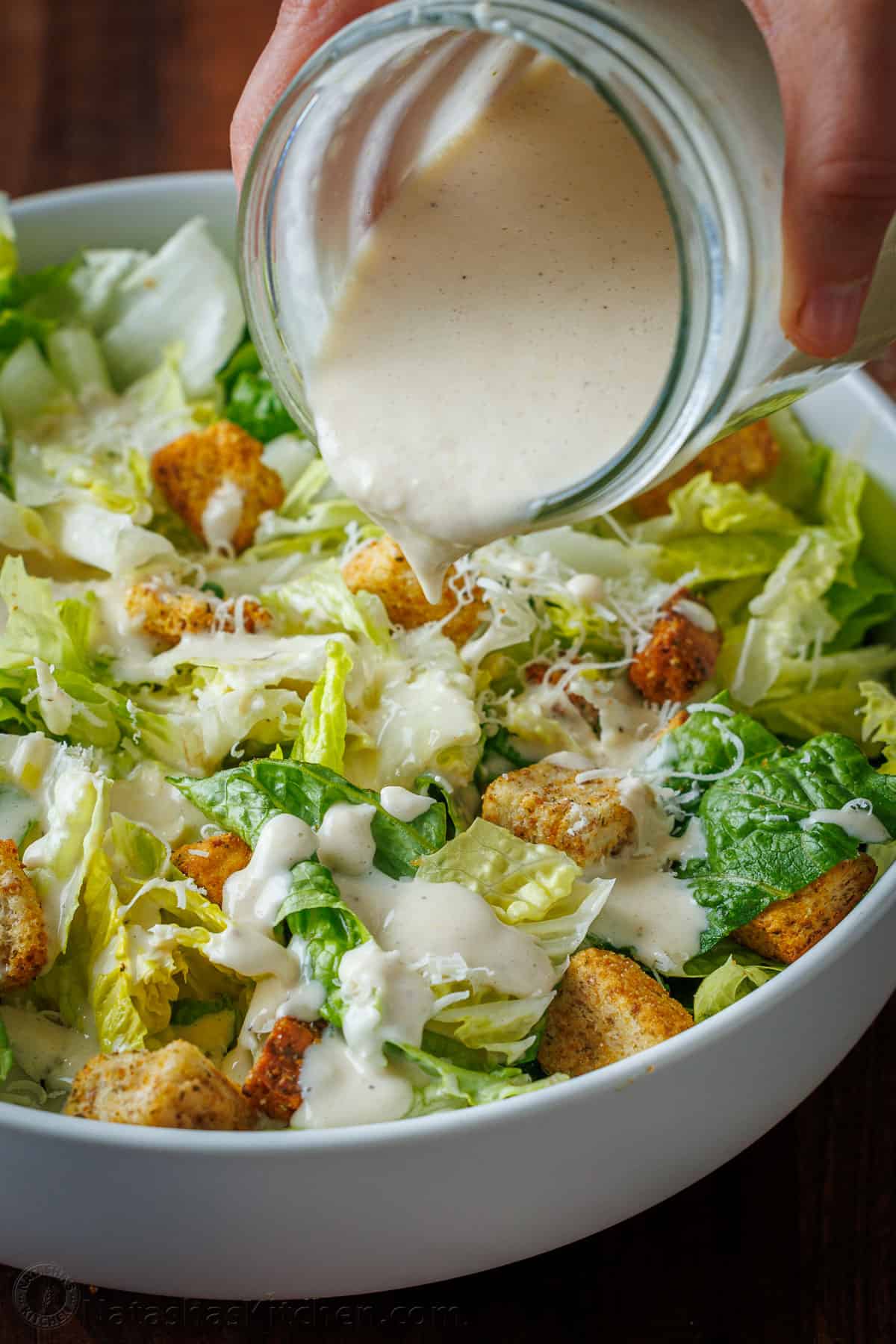
Effortless Homemade Caesar Dressing: Better Than Store-Bought
Few culinary creations evoke the same satisfying blend of creamy, tangy, and savory as a perfectly crafted Caesar salad. But the secret to an unforgettable Caesar isn't just crisp romaine or crunchy croutons – it’s the dressing. If you've ever settled for a store-bought version, prepare to be amazed. Our comprehensive guide to making the ultimate homemade Caesar dressing will prove that a few simple ingredients and a little effort can yield a taste sensation far superior to anything you’ll find on a supermarket shelf. This isn't just a recipe; it's an invitation to elevate your salad game, transforming a good meal into a truly exceptional one.
Imagine a dressing that's rich without being heavy, bright with fresh lemon, and deeply flavorful with just the right hint of garlic and umami. That's the promise of homemade. It’s surprisingly easy, incredibly rewarding, and entirely customizable to your preferences. Whether you’re a seasoned home cook or a kitchen novice, mastering this caesar salad dressing recipe is well within your reach.
Why Homemade Caesar Dressing Reigns Supreme
The allure of a homemade Caesar dressing goes far beyond mere convenience. While store-bought options offer a quick fix, they often fall short on flavor and texture, frequently relying on artificial thickeners, excessive sugar, and preservatives that detract from the authentic experience. When you make your own, you're in control of every single ingredient, ensuring freshness, quality, and purity.
- Unmatched Freshness: Using fresh egg yolks, squeezed lemon juice, and newly minced garlic makes a profound difference. These vibrant flavors simply cannot be replicated by pre-packaged alternatives.
- Superior Texture: Homemade dressing achieves a beautifully emulsified, velvety consistency that clings perfectly to every leaf of lettuce. No gloppy, overly thick, or watery disappointments here.
- Customizable Flavor Profile: Love garlic? Add more! Prefer a brighter dressing? Increase the lemon. Want a bolder umami punch? Don't skimp on the anchovies. You can fine-tune every note to suit your palate, something impossible with mass-produced dressings.
- Transparency of Ingredients: Say goodbye to cryptic ingredient lists. With homemade, you know exactly what you're consuming – wholesome, real food.
Embracing this homemade Caesar dressing is about more than just a recipe; it's about a commitment to better flavor and healthier eating.
The Essential Ingredients: Unpacking the Flavor Core
The magic of a truly great caesar salad dressing recipe lies in the synergy of its core components. Each ingredient plays a crucial role, contributing to the distinct, iconic flavor and luxurious texture we all crave.
- Egg Yolk: The Emulsifier Extraordinaire
Traditional Caesar dressing relies on raw egg yolks to create its signature creamy texture and act as an emulsifier – binding the oil and other ingredients into a cohesive, velvety sauce. For those concerned about using raw eggs, opting for pasteurized eggs (widely available in most supermarkets) offers peace of mind. Alternatively, fresh, local eggs from a trusted source are often preferred by many home cooks for their superior flavor and richness. If eggs are an absolute no-go, don't worry – there are fantastic egg-free variations available, though the traditional method yields a unique richness. - Fresh Lemon Juice: The Zesty Counterbalance
Lemon juice is non-negotiable. Its bright acidity cuts through the richness of the oil and egg yolk, adding a crucial tang that prevents the dressing from tasting heavy. Always use freshly squeezed lemon juice; bottled varieties lack the vibrant punch and nuanced flavor. Start with the recommended amount and adjust to your taste – some prefer a more pronounced lemony zest, while others like it subtle. - Dijon Mustard: The Flavorful Binder
Beyond its distinctive tangy and slightly spicy flavor, Dijon mustard serves a vital purpose in this caesar salad dressing recipe: it's another excellent emulsifier. Its natural compounds help to stabilize the mixture, ensuring your dressing remains beautifully creamy and doesn't separate. It also adds depth and a subtle peppery warmth that complements the other ingredients perfectly. - Anchovies: The Umami Secret Weapon
Fear not the anchovy! This often-misunderstood ingredient is the authentic soul of a classic Caesar dressing, contributing a profound savory depth known as umami. When finely minced and integrated, anchovies don't make the dressing taste "fishy"; instead, they melt into the background, providing an incredible complexity and richness. For the best flavor, opt for oil-packed anchovy fillets rather than anchovy paste, which can sometimes have a less nuanced taste. If you're truly averse, minced capers can offer a salty, briny substitute, but they won't replicate the unique umami kick. - Fresh Garlic: The Pungent Heartbeat
A must-have! Fresh garlic infuses the dressing with its characteristic aromatic bite. The quantity is entirely up to personal preference – two medium cloves offer a pleasantly garlicky profile, but you can increase or decrease based on your love for raw garlic. Fine mincing or pressing the garlic ensures its flavor is evenly distributed throughout the dressing. - Oil: The Smooth Operator
The choice of oil is crucial for the dressing's body and overall flavor. A neutral-flavored oil, such as avocado oil or grapeseed oil, is often recommended as it allows the other robust flavors (garlic, lemon, anchovy) to shine without interference. If you prefer, a light, fruity extra virgin olive oil can be used, but be mindful that a strong olive oil flavor can sometimes overpower the delicate balance of the Caesar. - Parmesan Cheese: The Salty, Nutty Finish
For the ultimate finish, freshly grated Parmesan cheese is indispensable. Its salty, nutty, and slightly sharp notes are essential for completing the classic Caesar profile. Always grate your own cheese from a block rather than using pre-grated varieties, which often contain anti-caking agents that can affect texture and flavor. Add a generous few tablespoons directly into the dressing for an extra layer of richness.
Mastering the Method: How to Craft Your Dressing
One of the best aspects of this caesar salad dressing recipe is its versatility in preparation. Whether you prefer the traditional hands-on approach or the speed of modern appliances, a perfect creamy Caesar is just minutes away.
Method 1: The Classic Hand Whisk (My Personal Favorite)
This method, while requiring a bit of arm work, delivers a dressing with an incredible texture and allows for a more nuanced integration of flavors. It takes about 10 minutes and uses minimal equipment.
- Preparation: In a medium bowl, combine the egg yolk, fresh lemon juice, and Dijon mustard.
- Initial Whisking: Whisk vigorously until the mixture becomes frothy and slightly light in color. This aerates the egg yolk, preparing it for emulsification.
- Slow Oil Stream: This is the most crucial step. While continuously whisking, slowly, almost drop by drop initially, stream in the oil. The key is to add the oil gradually, allowing the egg yolk and mustard to fully incorporate it before adding more. Continue whisking and streaming until all the oil is incorporated and the mixture thickens into a consistency resembling thinned-out mayonnaise.
- Finishing Touches: Finally, whisk in your finely minced anchovies, crushed garlic, and grated Parmesan cheese. Taste and adjust seasonings – a pinch of salt and fresh black pepper often elevate the flavors.
Tip: Minced ingredients by hand provide a slightly coarser, more rustic texture that many aficionados adore.
Method 2: The Speedy Blender or Food Processor
For those short on time or seeking ultimate smoothness, a blender or food processor is your best friend. This method slashes preparation time to under 5 minutes.
- Combine Solids: Add the egg yolk, lemon juice, Dijon mustard, anchovies, garlic, and Parmesan cheese to the blender or food processor.
- Initial Blend: Process these ingredients until everything is finely chopped and well combined.
- Emulsify with Oil: With the machine running on low speed, slowly stream in the oil through the top opening or feed tube. Continue processing until the dressing is thick, creamy, and fully emulsified.
Tip: Don't rush the oil. A slow, steady stream is vital for proper emulsification.
Method 3: The Immersion Blender Wonder
Perhaps the quickest and easiest method, the immersion blender can whip up a creamy Caesar in under 5 minutes, often right in the jar you'll store it in!
- Layer Ingredients: Add all ingredients – egg yolk, lemon juice, Dijon mustard, anchovies, garlic, Parmesan, and finally the oil – into a wide-mouth jar or the beaker that often comes with the immersion blender.
- Blend Away: Place the immersion blender directly to the bottom of the jar. Turn it on and slowly move it up and down through the mixture. Within moments, you'll see the dressing begin to thicken and emulsify into a beautiful, creamy consistency.
Tip: Ensure the blender head is fully submerged before turning it on to avoid splashing.
Beyond the Classic: Variations and Customization
While the classic caesar salad dressing recipe is a masterpiece, there's always room for personal touches and dietary adaptations. Homemade allows you to explore these with ease.
- Egg-Free (and Mayonnaise-Free) Dressing: If raw eggs are a concern, or you simply prefer to avoid them, you can create a delicious egg-free version. One popular substitute involves using an equal amount of good quality store-bought mayonnaise as the base, then whisking in the lemon, Dijon, garlic, and anchovies. Alternatively, a blend of tahini or hummus with a little extra water can create a creamy, egg-free foundation.
- Vegan Caesar Dressing: For a completely plant-based dressing, start with a base of vegan mayonnaise (1/2 to 1 cup), or use tahini or hummus for creaminess. Replace the anchovies with a tablespoon of finely minced capers or a dash of kelp granules for that briny, umami depth. Nutritional yeast can also be added for a cheesy flavor in place of Parmesan.
- Spice It Up: A pinch of red pepper flakes or a dash of your favorite hot sauce can add a delightful kick to your dressing.
- Herbal Infusion: While not traditional, finely chopped fresh parsley or chives can add a touch of freshness and color.
- Worcestershire Twist: A dash of Worcestershire sauce (ensure it's anchovy-free for vegan versions) can deepen the savory notes even further.
Serving Suggestions and Storage
Of course, the most iconic use for your freshly made homemade Caesar dressing is a classic Caesar salad: crisp romaine lettuce, crunchy croutons, and a generous dusting of grated Parmesan. But don't stop there!
- Beyond the Salad Bowl: This versatile dressing makes an excellent marinade for chicken or fish, a zesty spread for sandwiches and wraps, or a delicious dip for fresh vegetables.
- Storage: Store your homemade Caesar dressing in an airtight container or a jar with a tight-fitting lid in the refrigerator. Due to the raw egg yolk, it’s best consumed within 3-5 days. Always give it a good shake or whisk before each use, as some separation can occur naturally over time.
Conclusion
Embracing the art of crafting your own caesar salad dressing recipe is a culinary revelation. It’s an easy, rewarding journey that culminates in a dressing that is undeniably superior to any store-bought alternative. By choosing fresh ingredients and understanding the simple techniques, you unlock a world of vibrant flavors and luxurious textures. So, step away from the bottle, gather your ingredients, and prepare to elevate your salads and culinary creations to an entirely new level with the effortless perfection of homemade Caesar dressing. Your taste buds will thank you!
