Master Homemade Caesar Dressing: Blender, Whisk, & Immersion Tips
There's an undeniable magic to a truly great Caesar salad, and at its heart lies a dressing that is simultaneously creamy, tangy, garlicky, and rich with umami. While store-bought options can suffice in a pinch, mastering a homemade
caesar salad dressing recipe elevates your salad game to an entirely new level. Imagine a dressing so vibrant and fresh, it makes every crisp bite of romaine lettuce sing. The good news? Crafting this culinary masterpiece at home is surprisingly simple, and far more rewarding than reaching for a bottle from the grocery store.
This comprehensive guide will walk you through everything you need to know about making the best homemade Caesar dressing, from understanding the purpose of each key ingredient to choosing the perfect preparation method for your kitchen. Whether you're a seasoned chef or a kitchen novice, you'll discover how to create a dressing that rivals your favorite restaurant's, often in under 10 minutes. Say goodbye to artificial flavors and hello to the fresh, authentic taste of real Caesar. If you're ready to transform your salads, read on to discover the secrets to this essential dressing. You might also find inspiration in our article on
Effortless Homemade Caesar Dressing: Better Than Store-Bought for more quick tips.
Unlocking the Magic of Homemade Caesar Dressing
Why Homemade Reigns Supreme
The difference between homemade and store-bought Caesar dressing is night and day. Fresh ingredients, free from preservatives and artificial flavors, create a depth of taste that simply cannot be replicated by commercial varieties. When you make your own, you control the quality of the oil, the punch of the garlic, the zing of the lemon, and the savory notes of the anchovies and Parmesan. This control not only results in superior flavor but also allows for customization to suit individual preferences or dietary needs. The creamy texture, the robust tang, the garlicky warmth – it all comes together in a symphony of flavor that makes a classic Caesar salad truly unforgettable.
The Essential Ingredients: A Deep Dive
Every great
caesar salad dressing recipe relies on a specific set of ingredients, each playing a crucial role in achieving that iconic flavor and texture. Understanding these components is key to mastering the dressing.
- Egg Yolk: The cornerstone of a truly traditional Caesar dressing, raw egg yolks provide the richness and act as a powerful emulsifier, binding the oil and other ingredients into a smooth, creamy consistency. If concerns about raw eggs linger, opt for pasteurized eggs, widely available in most supermarkets. For those seeking an egg-free alternative, there are excellent workarounds discussed later.
- Fresh Lemon Juice: This is the essential balancing act. Freshly squeezed lemon juice cuts through the richness of the oil and egg yolk, adding a vital tang that brightens the entire dressing. Start with the recommended amount and adjust to taste; a little extra squeeze can sometimes make all the difference.
- Dijon Mustard: More than just a flavor enhancer, Dijon mustard is a secret weapon for emulsification. Its natural compounds help to stabilize the mixture, preventing the oil and liquids from separating. It also adds a subtle piquancy and depth that complements the other strong flavors.
- Anchovies: For an authentic, umami-packed Caesar, anchovies are non-negotiable. Don't be intimidated by them; when finely minced or blended, they dissolve into the dressing, imparting a profound savory depth rather than a fishy taste. Look for anchovies packed in oil, which tend to have a superior flavor profile compared to paste. If you absolutely can't fathom using anchovies, alternatives like Worcestershire sauce or finely minced capers can offer a similar savory punch, though the flavor profile will differ slightly. For more on achieving authentic flavor, check out Unlock Authentic Flavor: Your Guide to Homemade Caesar Dressing.
- Garlic: A must-have for that characteristic pungent kick. Two medium cloves typically make for a reasonably garlicky dressing, but feel free to adjust based on your love for raw garlic. Finely mincing or pressing the garlic ensures its flavor is evenly distributed.
- Oil: A neutral-flavored oil is often preferred to allow the other ingredients to shine. Avocado oil is an excellent choice due to its mild taste and healthy fat profile. A light, fruity olive oil can also work beautifully, adding another layer of flavor, but avoid strongly flavored extra virgin olive oils that might overpower the dressing. The key is a slow, steady stream during emulsification.
- Parmesan Cheese: For the ultimate creamy finish and salty, nutty notes, freshly grated Parmesan cheese is essential. Pre-grated cheeses often contain anti-caking agents that can affect texture and flavor, so grating a wedge yourself will yield the best results.
Your Perfect Caesar Salad Dressing Recipe: Three Methods to Master
One of the beauties of a homemade
caesar salad dressing recipe is its versatility in preparation. Whether you prefer the rustic charm of a hand-whisked dressing or the lightning-fast efficiency of a machine, there’s a method for you.
Method 1: The Artisan's Whisk (Hand Mixing)
This traditional method is my personal favorite, offering a satisfying process and often resulting in a dressing with slightly more texture from the hand-chopped garlic and anchovies. It requires about 10 minutes and minimal cleanup.
- In a medium bowl, combine the egg yolk, fresh lemon juice, and Dijon mustard. Whisk vigorously for 1-2 minutes until the mixture is light yellow and slightly frothy. This initial whisking helps to build a stable base for emulsification.
- Begin to slowly stream in the oil, drop by drop at first, while continuously whisking. This slow addition is crucial; adding too much oil too quickly will cause the dressing to "break" or separate. As the mixture thickens and emulsifies, you can increase the oil stream to a thin, steady trickle. Continue whisking until all the oil is incorporated, and the dressing resembles a thinned-out mayonnaise.
- Finally, whisk in your finely minced anchovies, crushed garlic, and grated Parmesan cheese. Taste and adjust seasoning, adding more lemon juice, salt, or pepper as needed.
Tip: Keep your bowl steady by placing it on a damp towel. Your arm might get a workout, but the reward is immense!
Method 2: Blender or Food Processor (Speed & Simplicity)
For those who prioritize speed and a super-smooth texture, a blender or food processor is your best friend. This method takes less than 5 minutes.
- Add everything except the oil to the blender or food processor: egg yolk, lemon juice, Dijon mustard, anchovies, garlic, and Parmesan. Process until everything is thoroughly combined and the anchovies and garlic are fully minced into the mixture.
- With the machine running on low speed, slowly drizzle in the oil through the top opening (the feed tube or stopper hole). The key here is patience; a slow, steady stream allows the oil to emulsify properly.
- Continue blending until the dressing is thick, creamy, and completely emulsified. Stop, taste, and adjust seasonings as desired.
Tip: Ensure your machine is running *before* you start adding the oil. This helps create the necessary vortex for proper emulsification.
Method 3: The Immersion Blender (Jar-Friendly & Fast)
An immersion blender offers an incredibly convenient and mess-free way to make Caesar dressing, often directly in a jar. This method also takes under 5 minutes.
- Combine all ingredients – egg yolk, lemon juice, Dijon mustard, anchovies, garlic, Parmesan, and oil ��� into a jar or tall, narrow container that fits your immersion blender head.
- Insert the immersion blender to the bottom of the jar. Turn it on and slowly move it up and down.
- Continue blending and moving the blender until all ingredients are fully incorporated and the dressing has thickened and emulsified into a creamy consistency. This usually happens quite quickly.
Tip: Start at the bottom and slowly lift the blender head upwards as the dressing begins to emulsify. This ensures everything gets blended evenly.
Customizing Your Caesar Dressing: Variations & Flavor Hacks
A great
caesar salad dressing recipe is also wonderfully adaptable. Don't be afraid to experiment and make it your own!
Addressing Dietary Needs: Egg-Free and Vegan Options
*
Egg-Free Dressing: If raw eggs are a concern, an easy substitute is to use a good quality store-bought or homemade mayonnaise (which already contains egg and oil). You would then whisk in the lemon juice, Dijon, anchovies, garlic, and Parmesan. Some recipes also use blended silken tofu or aquafaba (chickpea brine) for emulsification.
*
Vegan Dressing: To make a fully vegan Caesar dressing, you'll need to replace the egg yolk, anchovies, and Parmesan. A common approach is to use 1/2 to 1 cup of high-quality vegan mayonnaise as a base, along with a tablespoon of finely minced capers (for the briny, umami notes that anchovies typically provide). Hummus or tahini can also serve as excellent bases, adding creaminess and a distinct flavor profile. Nutritional yeast can often be added for a cheesy, umami boost in place of Parmesan.
Beyond the Basic: Enhancing Flavor
*
Spice it Up: A pinch of red pepper flakes can add a subtle warmth and kick.
*
Herbal Notes: While not traditional, a touch of fresh parsley or chives could introduce a fresh dimension.
*
Smoky Depth: A dash of smoked paprika can add an interesting, complex note.
*
Vinegar Swap: While lemon is classic, a tiny splash of white wine vinegar or apple cider vinegar can be used to experiment with different tangy profiles.
Tips for Success & Storage
Common Troubleshooting
*
Dressing Broke (Separated): If your dressing separates, it's usually because the oil was added too quickly, or the ingredients were at different temperatures. To fix it, whisk another fresh egg yolk (or a teaspoon of Dijon mustard) in a clean bowl. Slowly whisk the broken dressing into this new base, drop by drop, allowing it to re-emulsify.
*
Too Thick/Thin: If it's too thick, thin it with a little more lemon juice or a tablespoon of water. If too thin, you can try whisking in a little more oil (very slowly) or a tiny bit more Dijon mustard to help bind it.
*
Too Garlicky/Lemony: Balance strong flavors by adding a touch more oil to mellow them out, or a pinch of sugar (or a tiny bit of mayo if using) can also help.
Storage & Shelf Life
Homemade Caesar dressing, especially with raw egg yolks, is best enjoyed fresh. Store it in an airtight container in the refrigerator for up to 3-4 days. While it might last a bit longer, the flavors are most vibrant and the texture best within the first few days. If using pasteurized eggs, you might extend this by a day or two. Always give it a good whisk or shake before serving, as some slight separation can occur.
Serving Suggestions
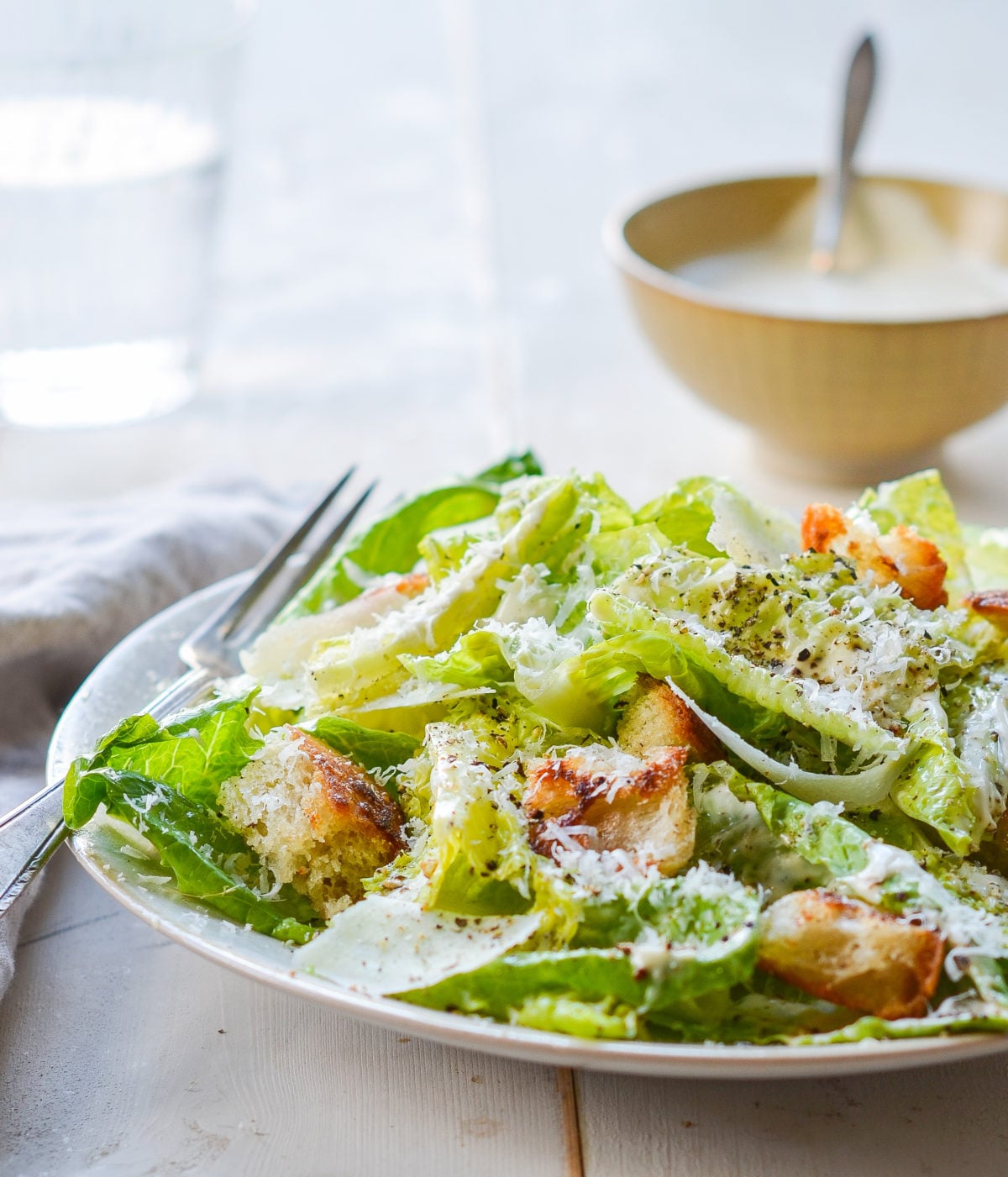
Of course, the classic pairing is with crisp romaine lettuce and crunchy croutons for an authentic Caesar salad. But don't limit yourself! This versatile dressing also shines as:
- A marinade for chicken or fish.
- A dipping sauce for roasted vegetables or crusty bread.
- A flavorful spread for sandwiches or wraps.
- A dressing for potato salad or pasta salad.
Conclusion
Mastering a homemade
caesar salad dressing recipe is a rewarding culinary endeavor that will undoubtedly elevate your home cooking. With fresh ingredients and a little practice, you can easily create a vibrant, creamy, and flavorful dressing that surpasses any store-bought alternative. Whether you choose the satisfying rhythm of a whisk, the efficiency of a blender, or the convenience of an immersion blender, the result is a testament to the power of homemade goodness. So, gather your ingredients, pick your method, and prepare to impress your taste buds and your guests with this timeless classic. Your salads will never be the same again!