Unleash the Flavor: Why Homemade Caesar Dressing Is a Game Changer
Forget the store-bought bottles and embrace a culinary revolution in your own kitchen! If you've ever dreamt of a Caesar salad that truly sings, then mastering the art of homemade Caesar dressing is your secret weapon. This isn't just about mixing ingredients; it's about unlocking an authentic, vibrant flavor profile that elevates crisp romaine and crunchy croutons into an unforgettable dining experience. A truly exceptional Caesar dressing is tangy, exquisitely creamy, and bursting with savory notes – qualities often dulled or absent in pre-packaged alternatives.
Making your own Effortless Homemade Caesar Dressing: Better Than Store-Bought is surprisingly simple and immensely rewarding. It puts you in control of every ingredient, allowing you to tailor the flavor to your exact preference, whether you crave extra garlic, a brighter lemon zest, or a milder anchovy presence. Once you experience the difference, you'll wonder why you ever settled for less.
The Essential Ensemble: Key Ingredients for Your Signature Caesar Dressing Recipe
The magic of a classic homemade Caesar dressing lies in the harmonious interplay of a few core ingredients. Each component plays a vital role, contributing to the dressing's iconic taste and luxurious texture. Understanding these building blocks is the first step to crafting your perfect caesar salad dressing recipe.
- Egg Yolk: The Emulsifier Extraordinaire
Traditional Caesar dressing relies on raw egg yolks for its characteristic richness and creamy emulsification. Much like making mayonnaise from scratch, the egg yolk binds the oil and other liquid ingredients, creating a stable, velvety texture. If you're concerned about using raw eggs, opt for pasteurized eggs available in most supermarkets. Alternatively, choosing fresh, local eggs from a trusted source can offer peace of mind. For those who prefer to omit egg yolks entirely, don't worry – there are excellent egg-free variations we'll explore later. - Fresh Lemon Juice: The Brightness Factor
Lemon juice is non-negotiable. Its bright, acidic punch cuts through the richness of the oil and egg, preventing the dressing from feeling heavy. It adds a crucial tang that balances the savory elements and awakens the palate. Always use freshly squeezed lemon juice for the best flavor; bottled varieties simply can't compare. Start with the recommended amount and adjust to your taste – a little more can truly make the flavors pop. - Dijon Mustard: The Flavor Binder
More than just a condiment, Dijon mustard is a key emulsifier in Caesar dressing, helping to stabilize the mixture and prevent it from separating. Its sharp, tangy, and slightly spicy notes also add a layer of complex flavor that deepens the dressing's profile, making it taste incredibly balanced and sophisticated. - Anchovies: The Umami Powerhouse
For a truly authentic and deeply flavorful caesar salad dressing recipe, anchovies are indispensable. Don't let their reputation deter you; when finely minced and incorporated into the dressing, they don't taste "fishy" but rather impart a profound, savory umami depth that is the hallmark of a classic Caesar. We recommend anchovies packed in oil for their superior flavor and texture compared to anchovy paste. If you absolutely can't bring yourself to use them, alternatives exist, but the original truly delivers an unmatched experience. - Garlic: The Aromatic Heartbeat
Fresh garlic is a must for that characteristic pungent kick. The amount you use is entirely up to your preference – two medium cloves typically yield a reasonably garlicky dressing, but feel free to adjust. Finely mincing or even grating the garlic ensures its flavor is evenly distributed without overwhelming the other ingredients. - Oil: The Smooth Operator
The choice of oil can influence the final taste. A neutral-flavored oil like avocado oil is excellent as it allows the other robust ingredients to shine without imparting its own strong flavor. However, a light, fruity extra virgin olive oil can also be used if you appreciate its subtle herbaceous notes, which complement the other ingredients beautifully. Avoid strong, pungent olive oils that might dominate the delicate balance. - Parmesan Cheese: The Salty, Nutty Finish
For the ultimate texture and flavor, freshly grated Parmesan cheese is essential. It adds a salty, nutty complexity and helps to thicken the dressing further. Skip the pre-grated varieties; freshly grated Parmesan melts into the dressing more smoothly and offers a far superior taste.
Crafting Culinary Magic: Your Step-by-Step Guide to Homemade Caesar
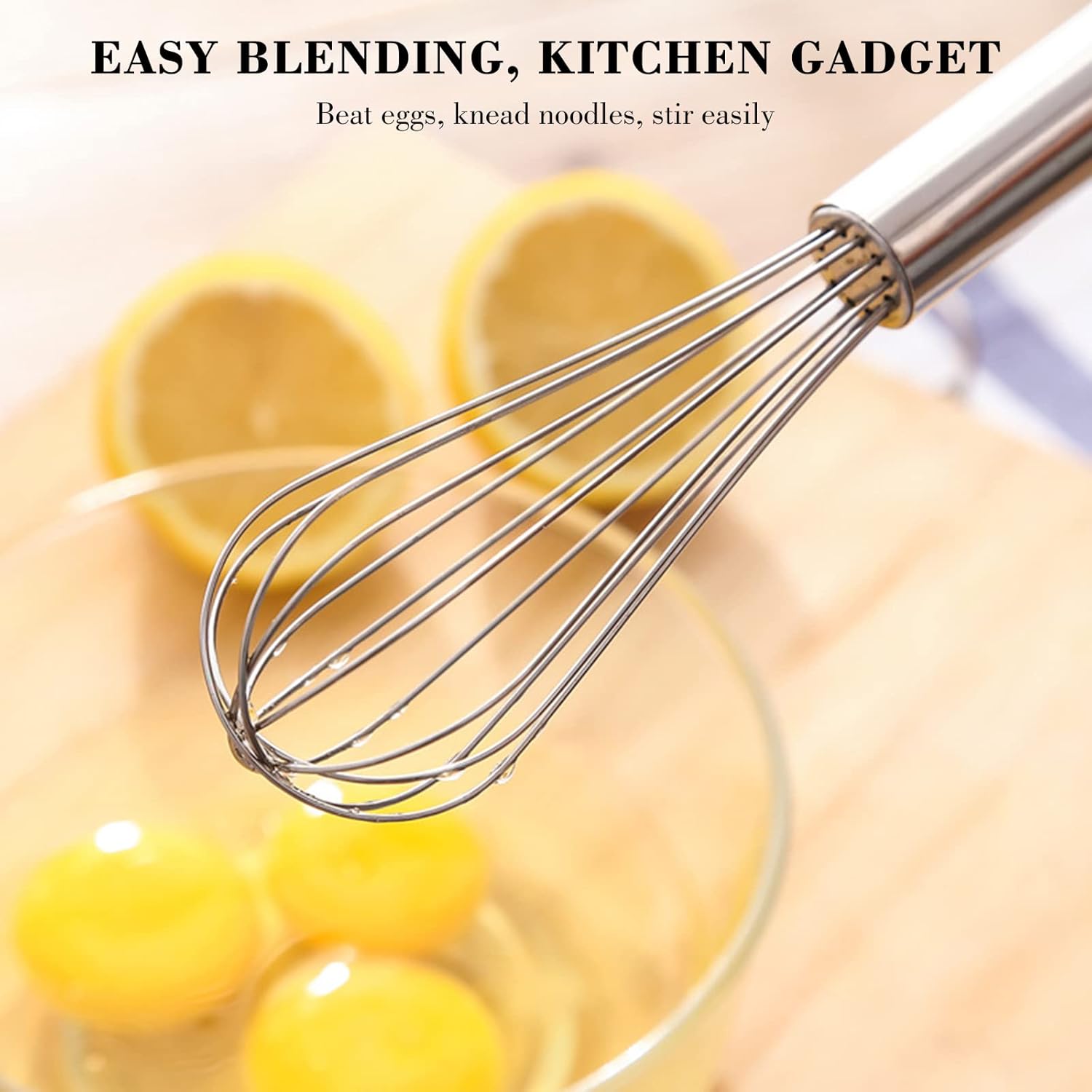
One of the beauties of this caesar salad dressing recipe is its versatility in preparation. Whether you prefer the meditative process of whisking by hand or the speed of modern appliances, a perfect, creamy dressing is within reach. For an even deeper dive into these methods, check out our guide on Master Homemade Caesar Dressing: Blender, Whisk, & Immersion Tips.
Method 1: The Classic Hand Whisk (10 minutes)
This is often the preferred method for purists who appreciate the control and slightly coarser texture of hand-minced garlic and anchovies. It's surprisingly therapeutic and results in fewer dishes to clean.
- In a medium bowl, vigorously whisk together the egg yolk, fresh lemon juice, and Dijon mustard until the mixture becomes frothy and slightly lightened in color. This initial whisking helps to build a stable base for the emulsification.
- Slowly, in a thin, steady stream, begin to drizzle in your chosen oil (avocado or light olive oil) while continuously whisking. This slow addition is crucial for creating a stable emulsion. Keep whisking diligently until all the oil is incorporated, and the mixture thickens to a consistency resembling thinned-out mayonnaise.
- Finally, whisk in your finely minced anchovies, crushed garlic, and freshly grated Parmesan cheese. Taste and adjust seasonings – you might want a pinch of black pepper or a touch more lemon.
Method 2: The Speedy Blender or Food Processor (Under 5 minutes)
For those short on time or seeking ultimate smoothness, a blender or food processor is a fantastic tool.
- Add all ingredients except the oil into your blender or food processor. Process until everything is well combined and the anchovies and garlic are fully pulverized.
- With the machine running on low speed, slowly stream in the oil through the top opening. Continue blending until the dressing is completely emulsified, thick, and creamy. This method yields a very smooth, restaurant-quality consistency.
Method 3: The Immersion Blender Wonder (Under 5 minutes)
The immersion blender offers the fastest and most convenient method, often requiring minimal cleanup.
- Combine all your ingredients – egg yolk, lemon juice, Dijon, anchovies, garlic, oil, and Parmesan – in a tall, narrow jar or a deep measuring cup.
- Insert your immersion blender to the bottom of the jar. Turn it on and slowly move it up and down through the mixture. Within moments, you'll see the ingredients combine and thicken into a luscious, creamy dressing.
Storage Tip: Your homemade Caesar dressing, stored in an airtight container in the refrigerator, will typically stay fresh for 3-5 days. Always give it a good whisk or shake before serving, as some slight separation can occur naturally.
Beyond the Original: Customizing Your Caesar Dressing
While the classic caesar salad dressing recipe is a masterpiece, there's ample room for customization and dietary adaptations, allowing everyone to enjoy this beloved flavor.
- Egg-Free (and Mayonnaise-Free) Dressing: If raw eggs are a concern, you can still achieve a wonderfully creamy dressing. Many recipes substitute the egg and oil with a good quality mayonnaise (about ½ to 1 cup), using it as the creamy base and then building the classic Caesar flavors around it with lemon, Dijon, garlic, anchovies, and Parmesan.
- Vegan Dressing: Crafting a delicious vegan Caesar is entirely possible. Start by omitting the cheese and substituting the egg and oil with a creamy vegan mayonnaise, hummus, or tahini for the base. Replace anchovies, which provide a rich umami flavor, with a tablespoon of finely minced capers or a dash of vegan Worcestershire sauce to mimic that savory depth. Nutritional yeast can also be added for a cheesy undertone.
- Anchovy-Free Dressing: For those who simply can't do anchovies, you have options. You can simply omit them for a milder, less complex dressing, or try adding a few dashes of Worcestershire sauce (check for anchovy-free versions if strictly vegetarian) or a small amount of finely minced capers to introduce a touch of savory, briny flavor.
- Spice Variations: Don't hesitate to add a pinch of freshly ground black pepper or a tiny dash of red pepper flakes for a subtle kick. A hint of finely chopped fresh parsley or chives can also add a fresh dimension.
The Final Toss: Elevate Your Salad Experience
Making your own homemade Caesar dressing is more than just a recipe; it's an investment in flavor, freshness, and the satisfaction of culinary accomplishment. With just a handful of ingredients and a few simple steps, you can create an umami-packed, lemony, garlicky, and perfectly creamy dressing that far surpasses any store-bought or even many restaurant versions. So, gather your ingredients, choose your preferred method, and prepare to unlock the authentic, vibrant taste of a truly exceptional Caesar salad. Your taste buds will thank you!
